


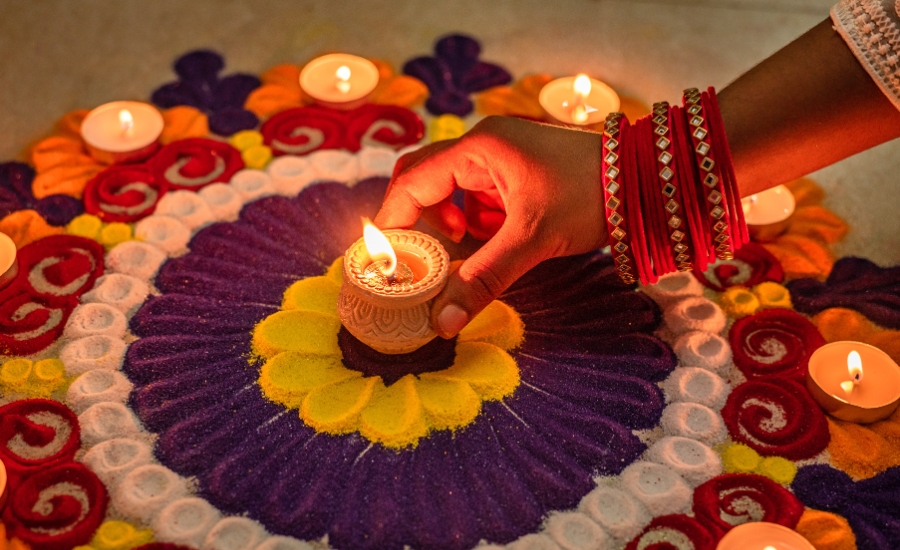
Last week while Christians were celebrating All Saints Day, millions of people around the world celebrated Diwali. Also known as Deepavali depending on the ethnicity celebrating the religious festival, it is one of the main important festivals celebrated widely across the world by Hindus, Sikhs, and alike. Unlike Christmas, there is no fixed date for the celebration in the Gregorian calendar as it is based on the Hindu lunar calendar months.
While there are variants in the origin of the celebration – depending on ethnicity and origin region in India – the core message for all of them is a celebration of triumph of light over darkness (good over evil). It is a joyous and colourful festival and often referred to as the festival of lights celebrated grandly in India and its diaspora communities across the world. While the celebration is typically a day, once again varying based on region and ethnicity, there are common traditions and rituals done in preparation for and the duration of the festival.
Traditionally, clay oil lamps are lit up at homes and public spaces to represent protection against evil spirits. In modern times especially in developed areas, most have opted for the ease of electric based decorative lights, much like those seen during the Christmas season. Loud fireworks are also set off to ward away evil spirits, yet another common modern day tradition.
Rangolis (also known as Kolams) are intricate, colourful floor decorations typically made of dyed rice grains, or sand/powder. The belief is that these decorations help welcome deities, especially the goddess of wealth, and usually decorated at the entrances of homes and buildings.
Special prayers, offerings, and rituals are made to honour dearly departed family members, while some also make offerings to deities like the Goddess of Wealth, Lakshmi, and Lord Ganesha, known as the remover of obstacles and misery.
Other common traditions include bathing in oil, exchanging and feasting on sweet food, making festive cookies and food, having family reunion meals, cleaning and decorating of the entire house, and wearing new clothes – all serving as a refresher for prosperous days ahead. While it is not considered a new year, the magnitude of the celebration rivals it.
